Source Yarn Dyed Blackout Window Curtains for Hotels, Homes, and Offices
Source yarn dyed blackout window curtains from 30 verified listings. Compare polyester options with rod or hook mounts, flame retardant features, and custom sizes for hotels, homes, and offices; compare the available evidence and request quotations based on your requirements.
Key considerations
Products List




Comprehensive Sourcing Guide
Yarn Dyed Blackout Window Curtains Sourcing Guide
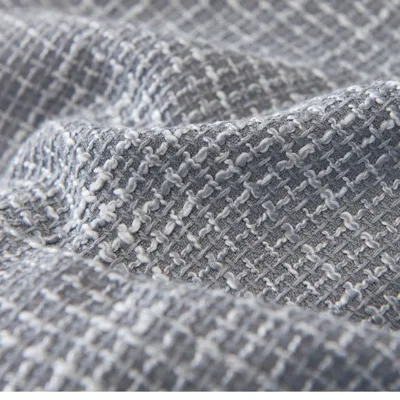
Procuring yarn-dyed blackout curtains requires a strategic approach that balances aesthetic consistency with functional performance. Buyers must understand that yarn-dyed fabrics offer superior colorfastness compared to piece-dyed alternatives, ensuring that the deep, rich hues remain vibrant even after repeated washing or prolonged exposure to sunlight. This distinction is critical for high-traffic commercial environments such as hotels and hospitals, where maintenance cycles are frequent and visual degradation is unacceptable. The sourcing process begins with defining the specific shade requirements and verifying that the manufacturer utilizes yarn-dyeing techniques rather than surface printing to achieve the desired opacity and color depth.
Beyond color, the blackout functionality must be rigorously tested to ensure it meets the specific light-blocking needs of the application. While many products claim blackout capabilities, the actual performance can vary based on weave density and backing treatments. Buyers should request physical samples to test light leakage at the edges and center, paying close attention to how the fabric drapes and hangs. This hands-on verification helps determine if the curtain provides the necessary thermal insulation and privacy without compromising the aesthetic appeal required for modern interior design schemes in residential or hospitality settings.
Product Scope and Observed Listing Signals
Market analysis reveals a diverse range of products labeled under this category, with observed price points ranging from $0.99 to $12.99 per unit. This wide variance often reflects differences in fabric weight, dye complexity, and finishing treatments rather than just brand prestige. Buyers should note that lower price points may correspond to thinner polyester blends or simpler construction methods, which might not deliver the premium feel or durability expected in luxury hotel settings. Understanding these market signals helps in setting realistic budget expectations and identifying suppliers who offer genuine value rather than just low-cost alternatives that may compromise on quality.
Minimum Order Quantities (MOQs) observed in the market range from 1 to 3,000 units, indicating flexibility for both small boutique hotels and large institutional buyers. Many suppliers accept OEM/ODM requests, allowing for customized colors, designs, and packaging solutions. This customization capability is particularly valuable for brands seeking to maintain a consistent visual identity across multiple locations. However, buyers must carefully evaluate the trade-offs between customization complexity and production lead times, as intricate yarn-dyeing processes can extend manufacturing schedules compared to standard off-the-shelf options.
Technical Specifications to Verify
Key technical attributes include the header type, which can be rod-mounted or hook-mounted, influencing the installation method and final aesthetic. Buyers must verify the specific header mechanism required for their existing window fixtures to avoid costly retrofitting. Additionally, the fabric composition is predominantly polyester, offering durability and ease of maintenance, but the specific weave structure and weight significantly impact the blackout efficiency and drape quality. Confirming these details ensures that the curtains not only fit physically but also perform functionally within the intended environment, whether it is a home, office, or healthcare facility.
Opacity and shading characteristics are critical technical specifications that define the product's utility. Observed listings indicate opaque, solid, or printed styles, with some products featuring flame-retardant properties essential for commercial compliance. Buyers should verify the exact shading percentage and whether the fabric is woven or treated to achieve blackout effects. Furthermore, size specifications vary, with common dimensions like 54x84 inches or custom sizes available. Ensuring precise measurements and understanding the fabric's behavior when hung is vital for achieving a professional finish and optimal light control in any installation scenario.
Compliance and Safety Documentation
Safety and regulatory compliance are non-negotiable for commercial procurement, particularly in sectors like hospitality and healthcare. Buyers must verify that the curtains meet local fire safety standards, as many listings highlight flame-retardant functions. This verification involves requesting test reports from accredited laboratories to confirm that the fabric meets specific burn rate and smoke density requirements. Without proper documentation, facilities risk non-compliance with building codes, leading to potential legal liabilities and safety hazards. Ensuring that the supplier can provide up-to-date and valid safety certifications is a crucial step in the qualification process.
Environmental and material safety certifications also play a significant role in modern procurement strategies. While specific standards like OEKO-TEX are mentioned in background contexts, buyers should actively seek confirmation of such certifications to ensure the fabrics are free from harmful substances. This is particularly important for products used in sensitive environments like hospitals or schools, where indoor air quality and chemical exposure are major concerns. Requesting material safety data sheets (MSDS) and environmental compliance certificates helps mitigate health risks and aligns with corporate sustainability goals, enhancing the overall value proposition of the procurement decision.
Cost Drivers and Commercial Terms
Several factors influence the final cost of yarn-dyed blackout curtains, including the complexity of the dyeing process, fabric weight, and customization requirements. Yarn-dyeing is more labor-intensive than piece-dyeing, often resulting in higher unit costs but offering better long-term value due to superior colorfastness. Buyers should also consider the impact of packaging choices, such as PE bags or PVC bags, which can affect shipping costs and product protection. Understanding these cost drivers allows for more accurate budgeting and helps in negotiating favorable terms with suppliers who may offer discounts for larger volumes or standardized designs.
Payment terms and lead times are critical commercial considerations that impact cash flow and project timelines. Typical payment methods include T/T, and sample times generally range from 5 to 7 days, allowing for quick evaluation before bulk ordering. However, production lead times can vary significantly based on order size and customization complexity. Buyers should establish clear agreements on delivery schedules and penalty clauses for delays to ensure project continuity. Transparent communication regarding these commercial terms helps prevent misunderstandings and ensures a smooth transaction process from order placement to final delivery.
Supplier Qualification and Quality Control
Evaluating supplier capabilities is essential to ensure consistent quality and reliable delivery. Buyers should assess the supplier's production capacity, quality control processes, and experience in manufacturing yarn-dyed fabrics. Requesting references from previous clients, particularly in similar industries, can provide insights into the supplier's reliability and service quality. Additionally, verifying the supplier's ability to handle custom orders and their responsiveness to technical queries is crucial for successful collaboration. A thorough due diligence process helps identify partners who can meet specific project requirements and maintain high standards throughout the production cycle.
Implementing robust quality control measures during production and pre-shipment inspections is vital to mitigate risks. Buyers should define clear quality acceptance criteria, including color consistency, stitching integrity, and functional performance tests. Conducting third-party inspections or sending internal quality teams to the factory can help identify and rectify issues before shipment. Establishing a clear protocol for handling defects and returns ensures that any discrepancies are addressed promptly, protecting the buyer's investment and maintaining the integrity of the final product. Proactive quality management fosters trust and long-term partnership with suppliers.
Long-Term Procurement Checks
Building a sustainable supply chain requires ongoing evaluation of supplier performance and market trends. Buyers should regularly review supplier metrics, such as on-time delivery rates, defect rates, and responsiveness to issues, to ensure continued reliability. Monitoring changes in raw material costs and regulatory requirements helps in anticipating potential impacts on pricing and compliance. By maintaining open communication and fostering collaborative relationships, buyers can secure better terms and stay ahead of industry developments. This proactive approach ensures that the procurement strategy remains aligned with business objectives and adapts to evolving market conditions.
Continuous improvement in product specifications and supplier capabilities is key to long-term success. Buyers should periodically reassess product requirements to incorporate new technologies or materials that offer enhanced performance or sustainability. Engaging in regular feedback loops with suppliers can drive innovation and efficiency improvements. Additionally, diversifying the supplier base can reduce dependency on single sources and mitigate supply chain risks. By focusing on strategic partnerships and continuous evaluation, buyers can achieve optimal value and resilience in their procurement of yarn-dyed blackout window curtains.
FAQs
What customization options are available for these curtains?
Customization is available for color, design, and size to meet specific needs. Buyers can request tailored dimensions and patterns while maintaining high-quality polyester fabric standards for hotel or home applications.
Can I order samples before placing a bulk order?
Yes, samples are available with a lead time of 5 to 7 days. This allows buyers to verify the quality and flame-retardant features before committing to larger quantities for their projects.
What is the minimum order quantity for these products?
The minimum order quantity varies between 100 and 500 pieces depending on the specific model and customization level. Buyers should confirm the exact MOQ with the supplier to ensure compliance with production requirements.
Which certifications do these curtains meet for safety?
The products carry certifications confirming their safety and quality standards. These include flame-retardant properties suitable for hotels, hospitals, and schools, ensuring compliance with general safety regulations for commercial and residential use.
How are these curtains packaged for international shipping?
Packaging options include custom bags, PE bags, or PVC bags depending on the order specifics. This ensures the curtains remain protected during transit while allowing for branding or specific logistical requirements from the buyer.
What payment terms are accepted for these orders?
The accepted payment method is typically T/T for secure transactions. Buyers should coordinate with the supplier to finalize the payment schedule and ensure smooth processing of the order before production begins.